A Complete Guide to School Communication Systems

Effective communication is essential for maintaining a safe, secure and well-organised educational environment.
From childcare centres and pre-schools through to large school campuses, staff need the ability to communicate instantly during daily operations, emergencies and critical incidents.
Many educational facilities are moving away from relying solely on mobile phones and are implementing professional two-way radio systems to improve staff coordination, student safety and emergency response.
This guide explores the best two-way radios for pre-schools, childcare centres, primary schools, secondary schools and educational campuses in 2026.
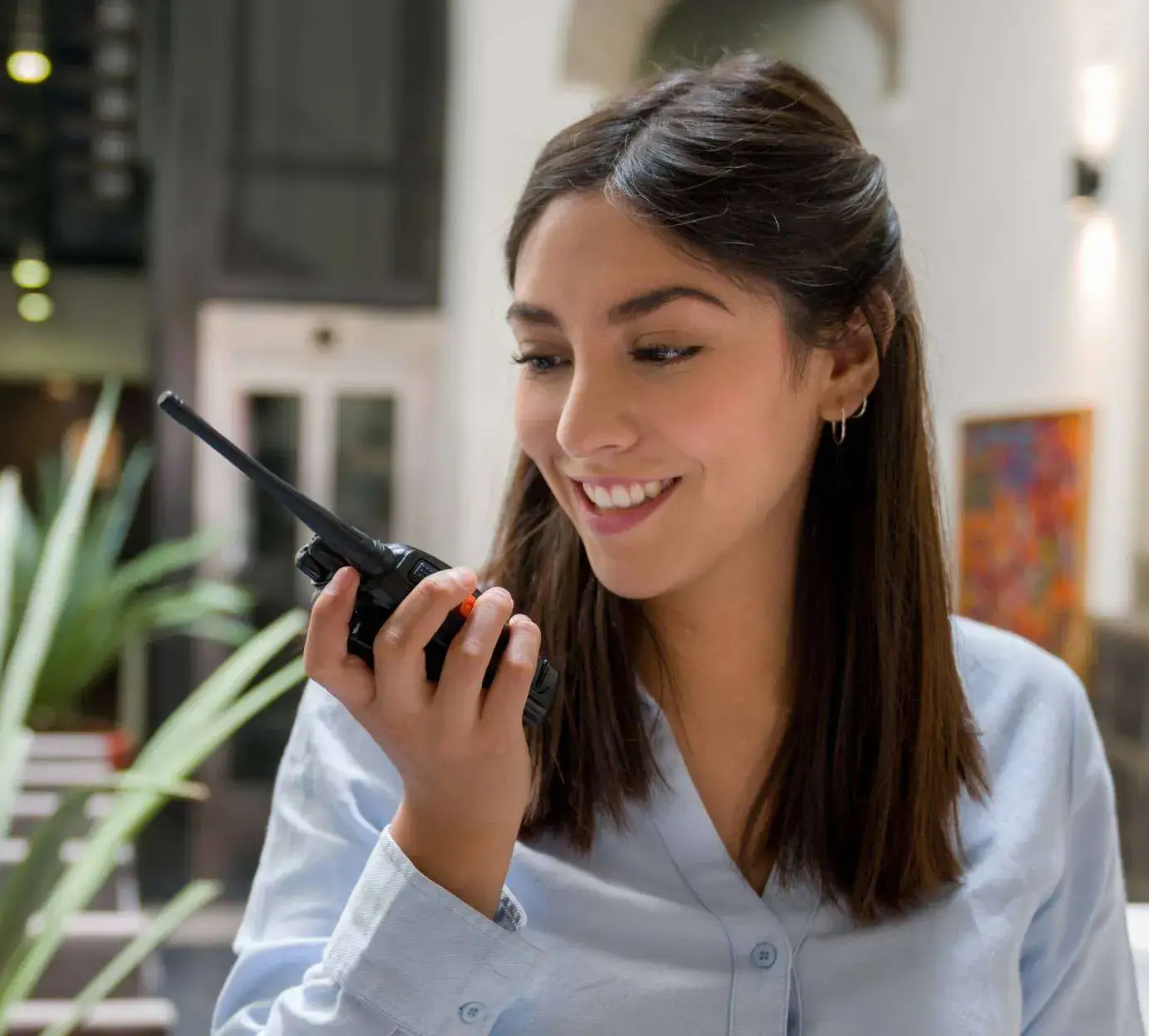
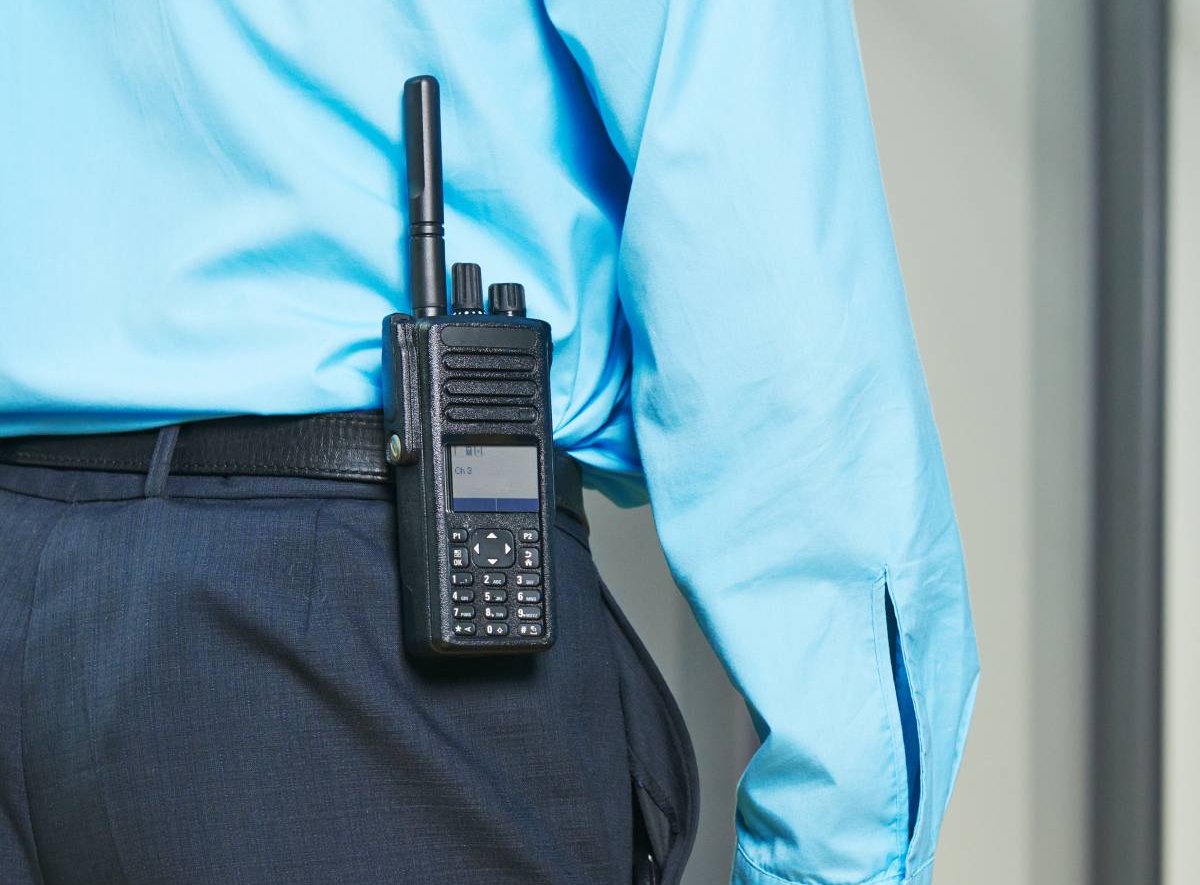
Educational environments require staff to communicate quickly and reliably throughout the day.
Common communication needs include:
Unlike mobile phones, two-way radios provide instant push-to-talk communication that allows staff to communicate immediately with individuals or groups.
Childcare and early learning environments often operate across multiple rooms, outdoor play areas and administration spaces.
Educators frequently need immediate access to:
Radios provide a simple and effective communication tool that improves supervision and response times.
Benefits include:
✓ Improved child safety
✓ Faster response to incidents
✓ Better staff coordination
✓ Reduced interruptions
✓ Reliable communication throughout the centre
Schools often have larger campuses and more complex communication requirements.
Common users include:
Many schools integrate radios into their emergency management procedures.
School environments can be noisy, particularly in playgrounds, sporting facilities and assembly areas.
Clear audio ensures messages are understood the first time.
School staff need radios that can operate throughout the entire school day without interruption.
Professional-grade radios typically provide enough battery life for a full shift and beyond.
Many schools choose radios that support emergency communication procedures, including:
Education staff require equipment that is easy to use with minimal training.
Modern radios provide simple push-to-talk functionality and intuitive controls.
Radios used in education environments should be capable of withstanding everyday use and occasional drops.
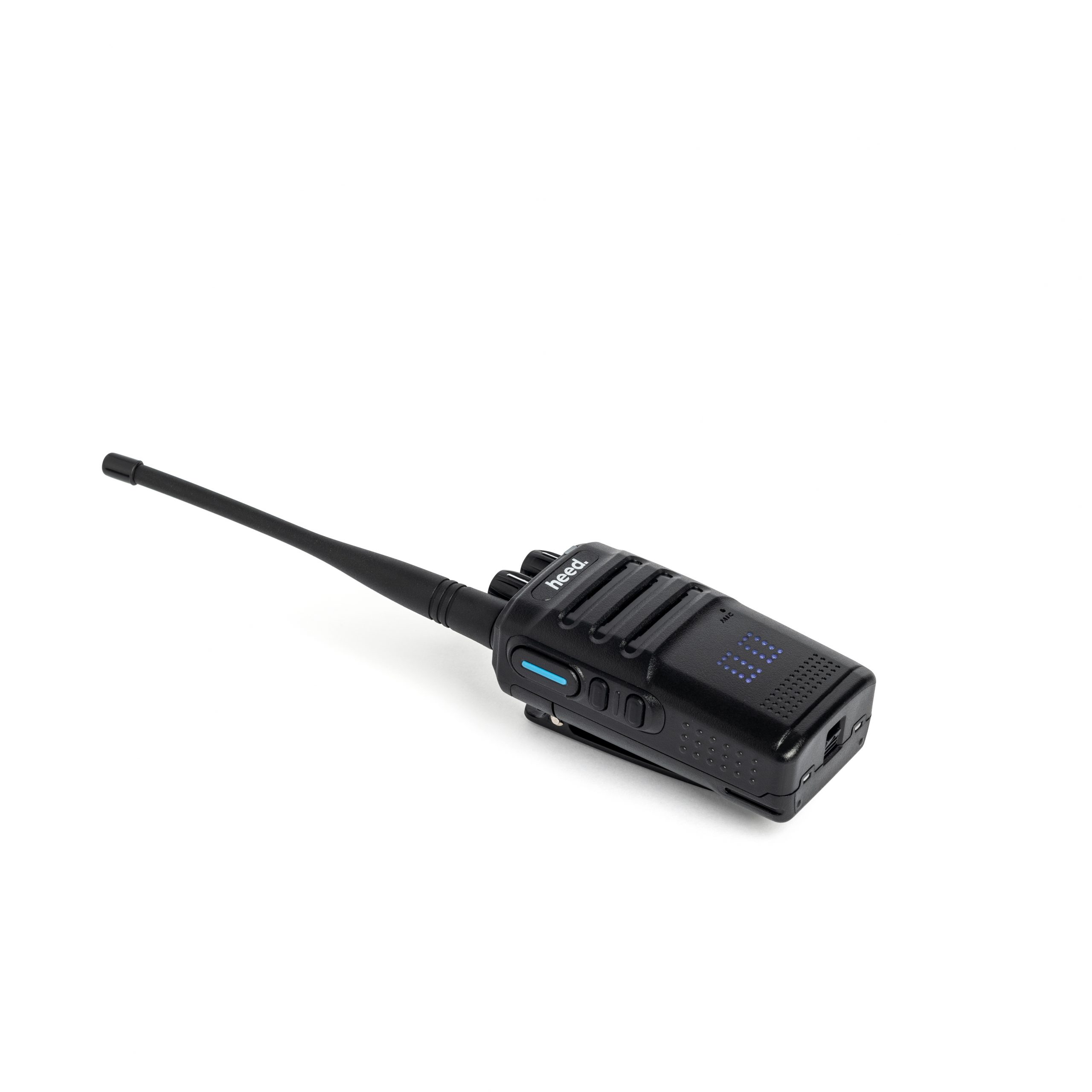
Ideal for:
Benefits:
The Heed HC860 is one of the most popular education radios due to its reliability and simplicity.
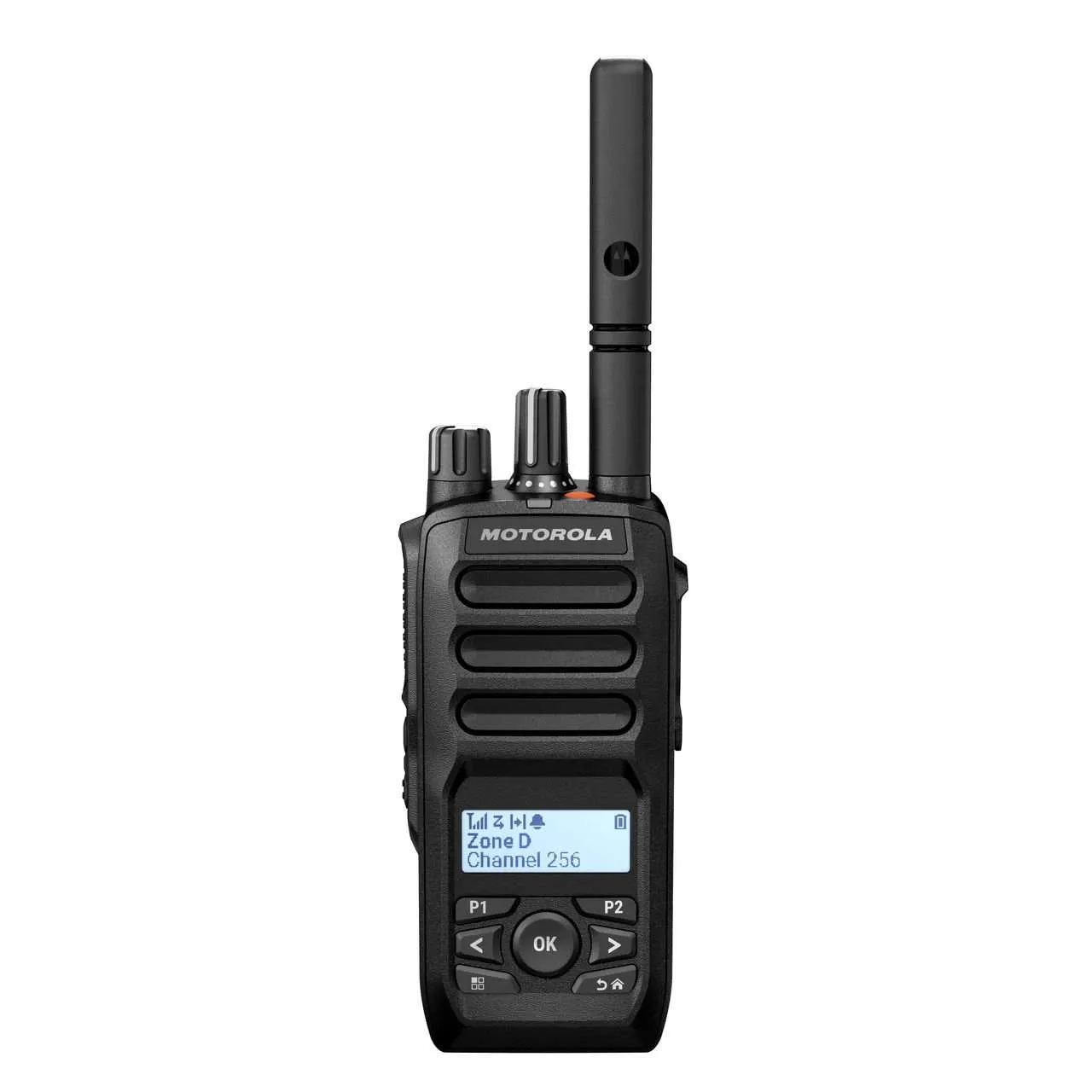
Ideal for:
Benefits:
The R5 is particularly suited to larger educational environments where communication reliability is critical.
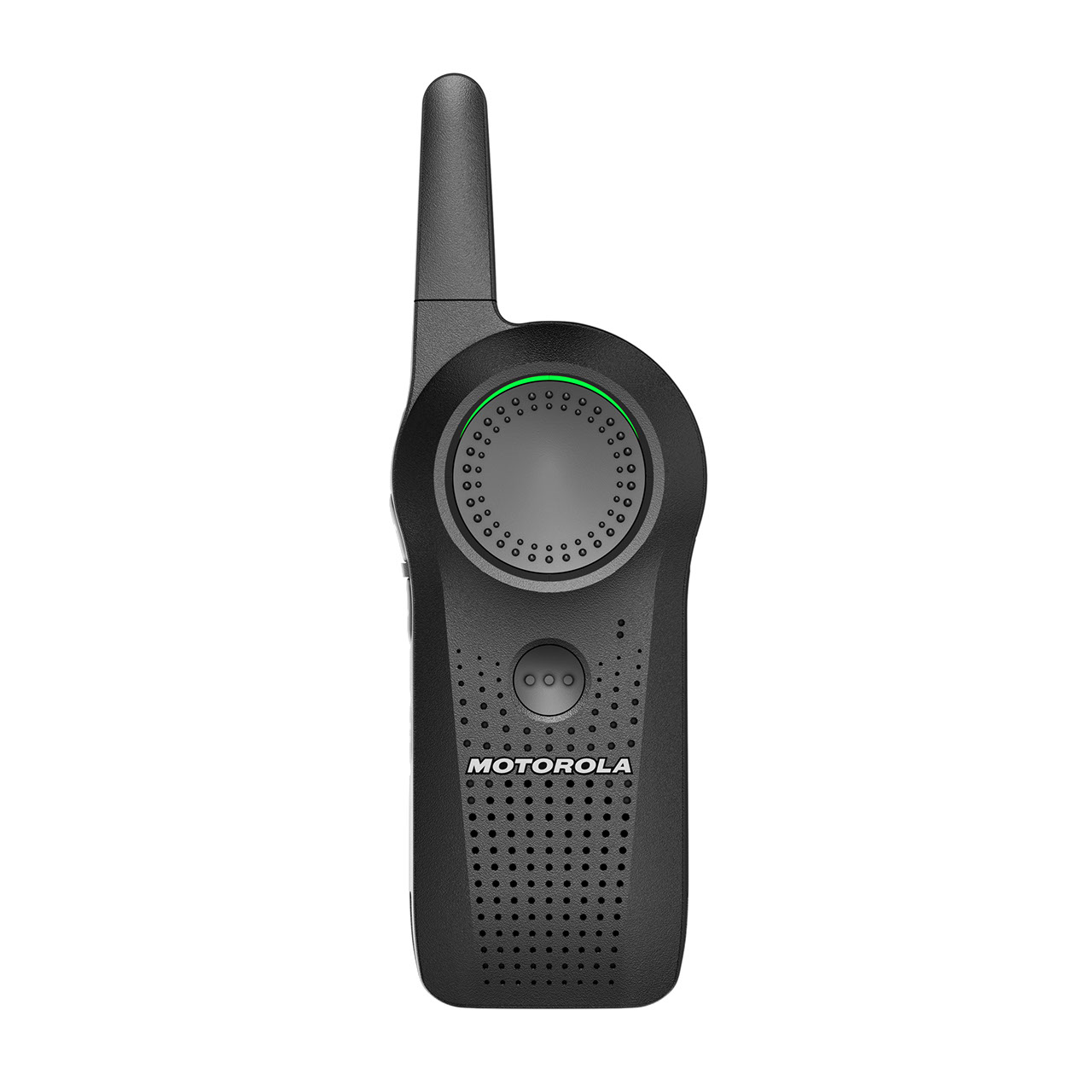
Ideal for:
Benefits:
Not always.
Many childcare centres and smaller schools can operate effectively using direct radio-to-radio communication.
Larger campuses often benefit from repeater systems which can:
A communications assessment can determine whether a repeater is required
Many schools compare radios with mobile phones.
While mobile phones have their place, radios provide several advantages:
Two-Way Radios
Instant communication
Group communication
Reliable on campus
No monthly plans
Emergency response
Mobile Phones
Dialling required
Individual calls
Coverage dependent
Ongoing costs
Slower coordination
For staff communication, radios remain the preferred solution for many educational facilities.
Many schools include two-way radios within their emergency management plans.
Radios can support:
Instant communication allows staff to coordinate quickly during critical situations.
Every educational facility is different.
Factors such as:
all influence the best communication solution.
A professional communications assessment can identify the most suitable system for your environment.
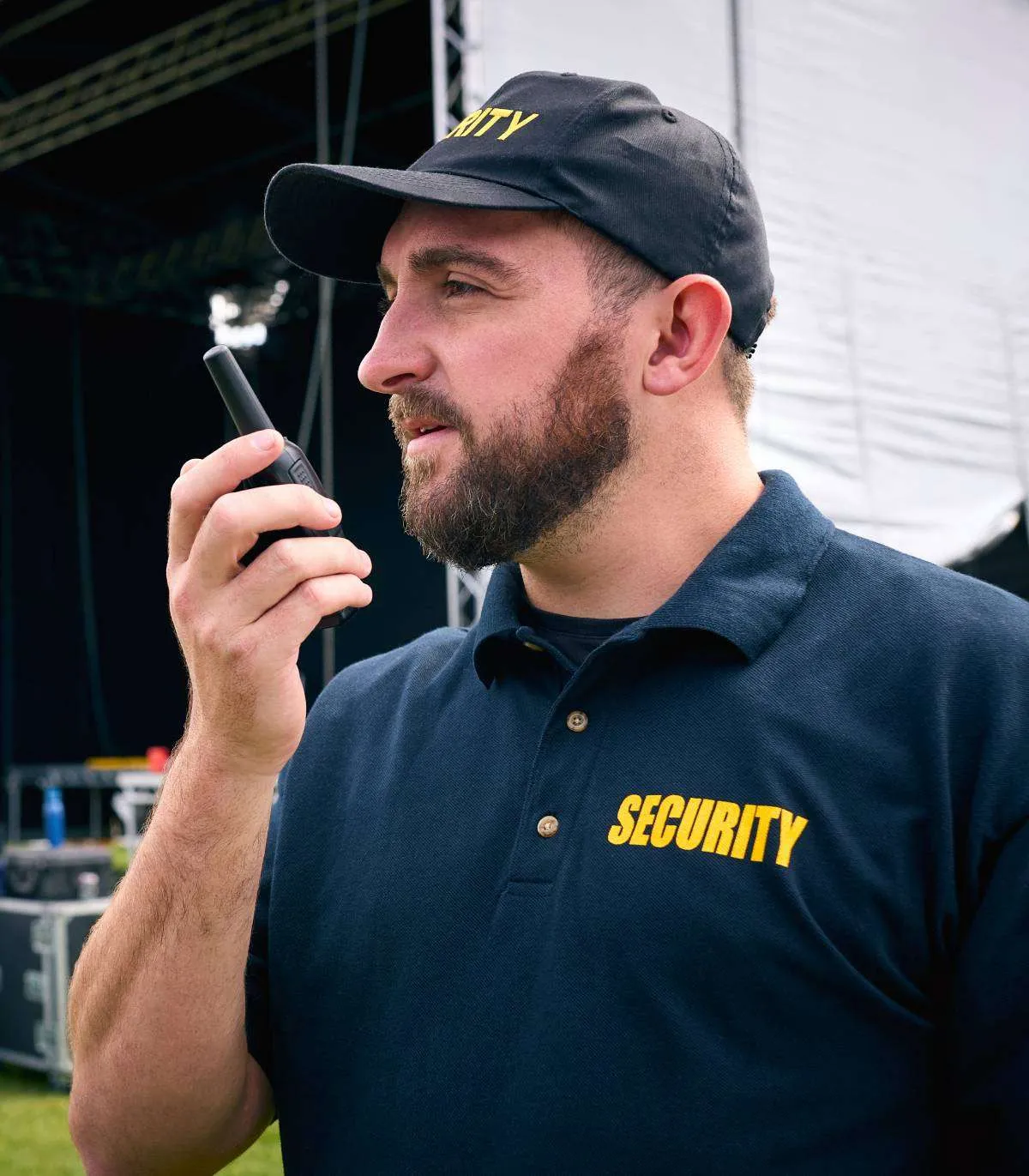
Learn how Connect Communications helps schools, childcare centres and educational campuses improve staff safety and communications.
Answers to common questions about school radio systems, emergency communications and campus coverage.
See how an Australian educational facility improved communication and emergency response across its campus.